
ABOUT UNION AVIONICS
Engineering avionics equipment
closer to the real cockpit
Founded in 2022, Union Avionics develops and manufactures avionics displays, flight instruments and control panels for ground flight simulation and simulator cockpits.
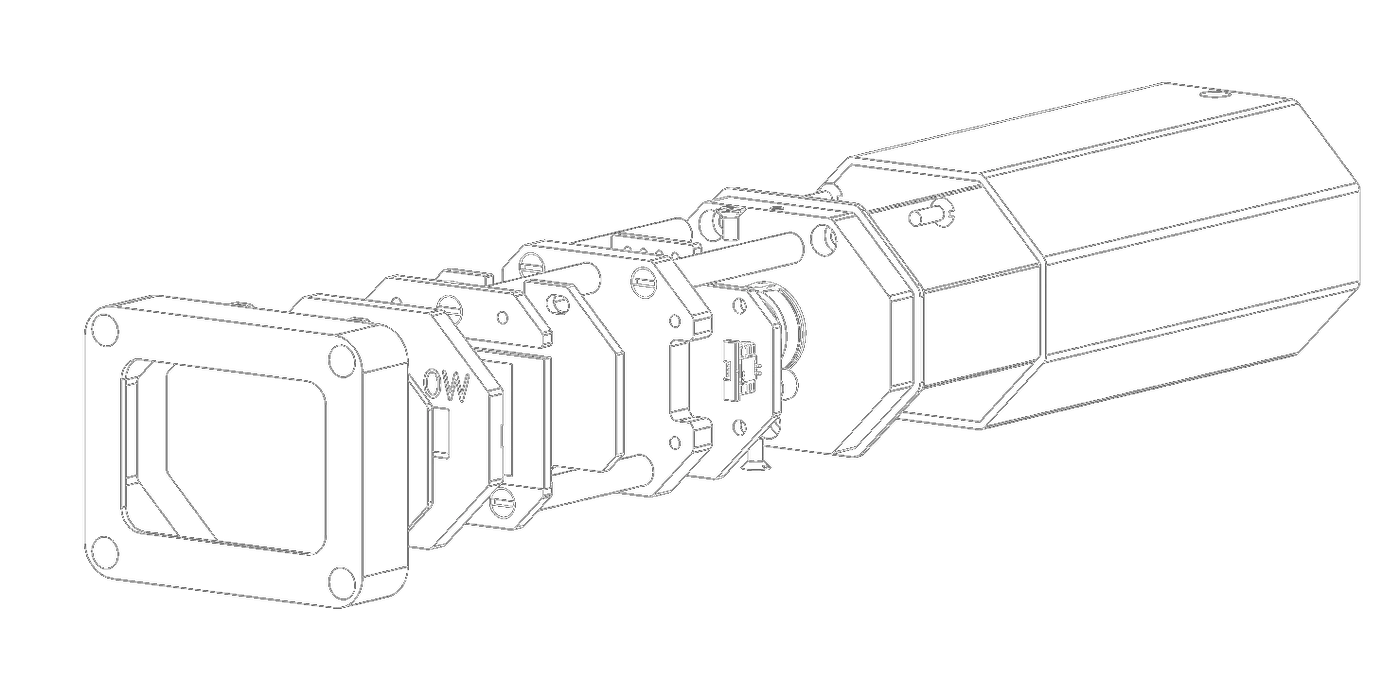 MECHANICAL ASSEMBLY / DEVELOPMENT
WHY UNION AVIONICS
Development begins
with a real need
The avionics equipment we were looking for needed to be more than visually similar.
Our team has spent more than a decade using flight simulation equipment and building simulator cockpits. That experience made the practical details clear: correct dimensions, suitable mounting, readable displays and natural controls all shape how a cockpit feels in use.
Products that treated all of these details seriously were difficult to find, so we began designing and manufacturing our own. Each device is installed in a representative cockpit environment, where we check readability, operation, mounting and system integration before revising it.
More than a decade of practical use gives us a clear basis for deciding which details matter and how a product should be tested.
HOW WE DEFINE FIDELITY
Fidelity is not
an appearance label
Visual similarity alone does not make a product truly 1:1. Dimensions, mounting, legends, materials, lighting, controls, interfaces and system integration all affect how naturally a device fits and works in the cockpit.
Installation relationships
Characters and markings
Materials and surfaces
Illumination and optics
Operating feedback
Interfaces and drivers
System relationships
IN-HOUSE DEVELOPMENT & MANUFACTURING
Keeping design and manufacturing
closely connected
Software, firmware, electronics, PCBA, panel processing, surface finishing and final assembly are the main stages we complete in-house. When design or testing reveals a problem, we can revise the circuit, software, structure or process, then manufacture and test it again.
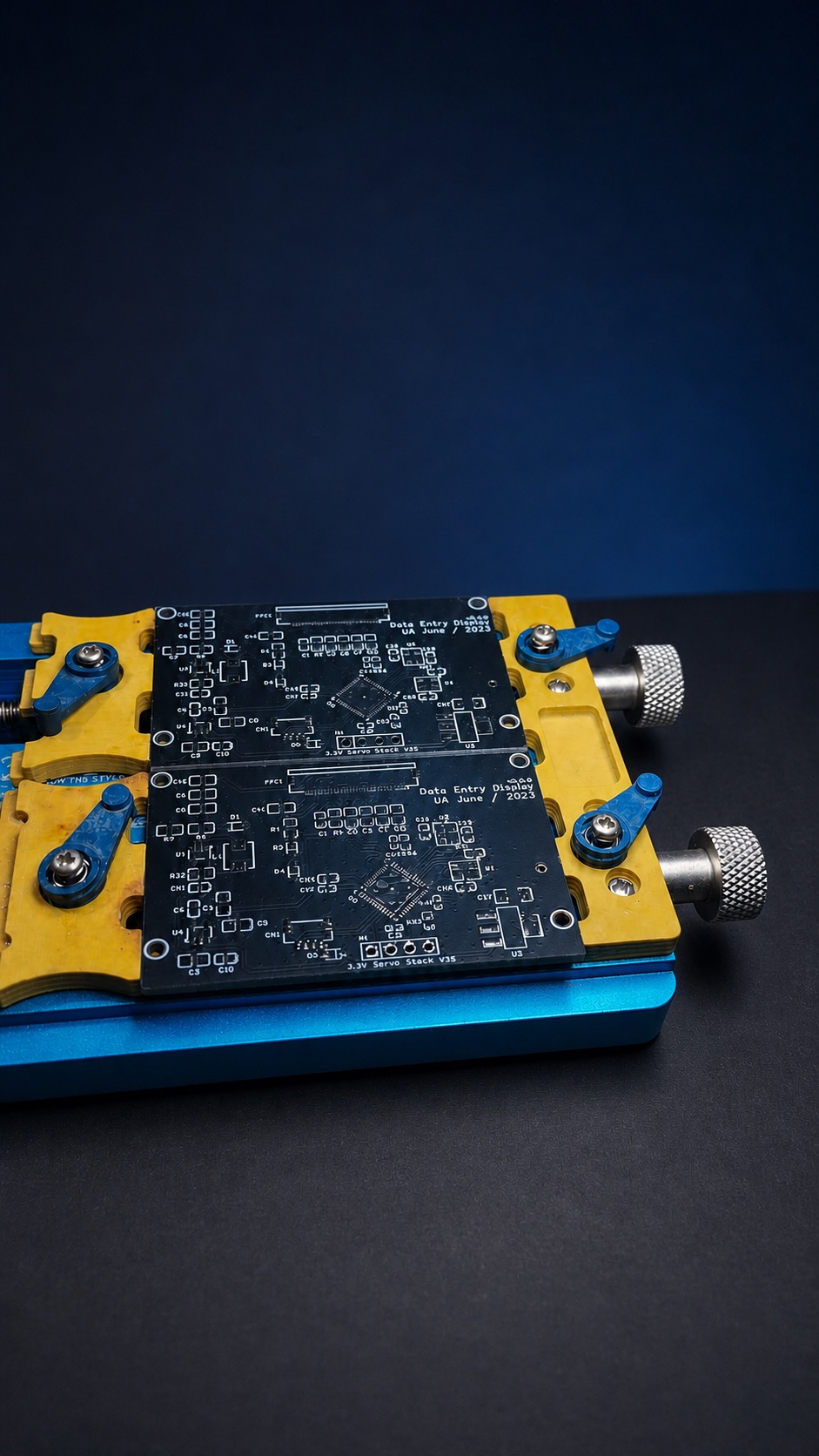
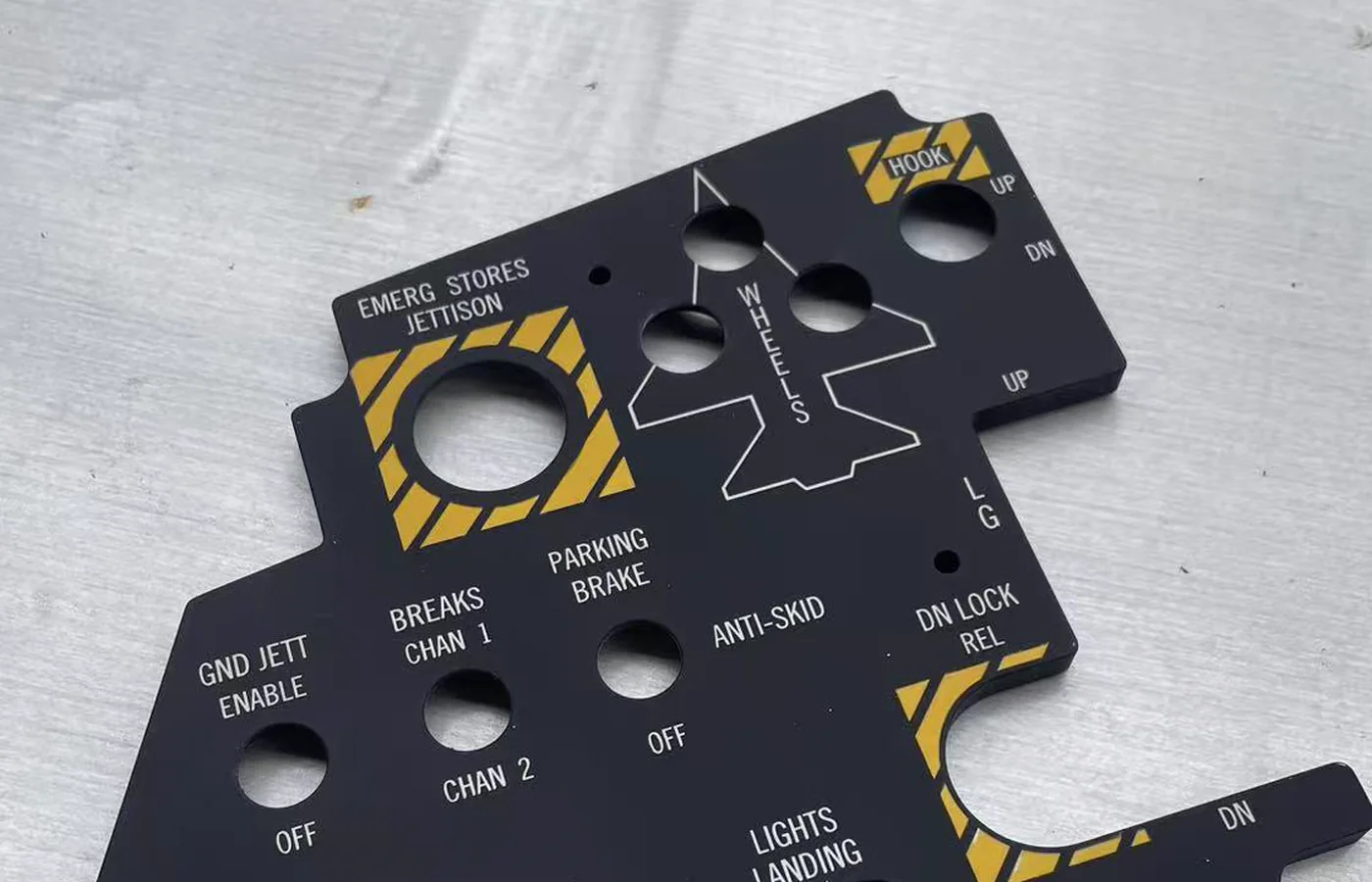
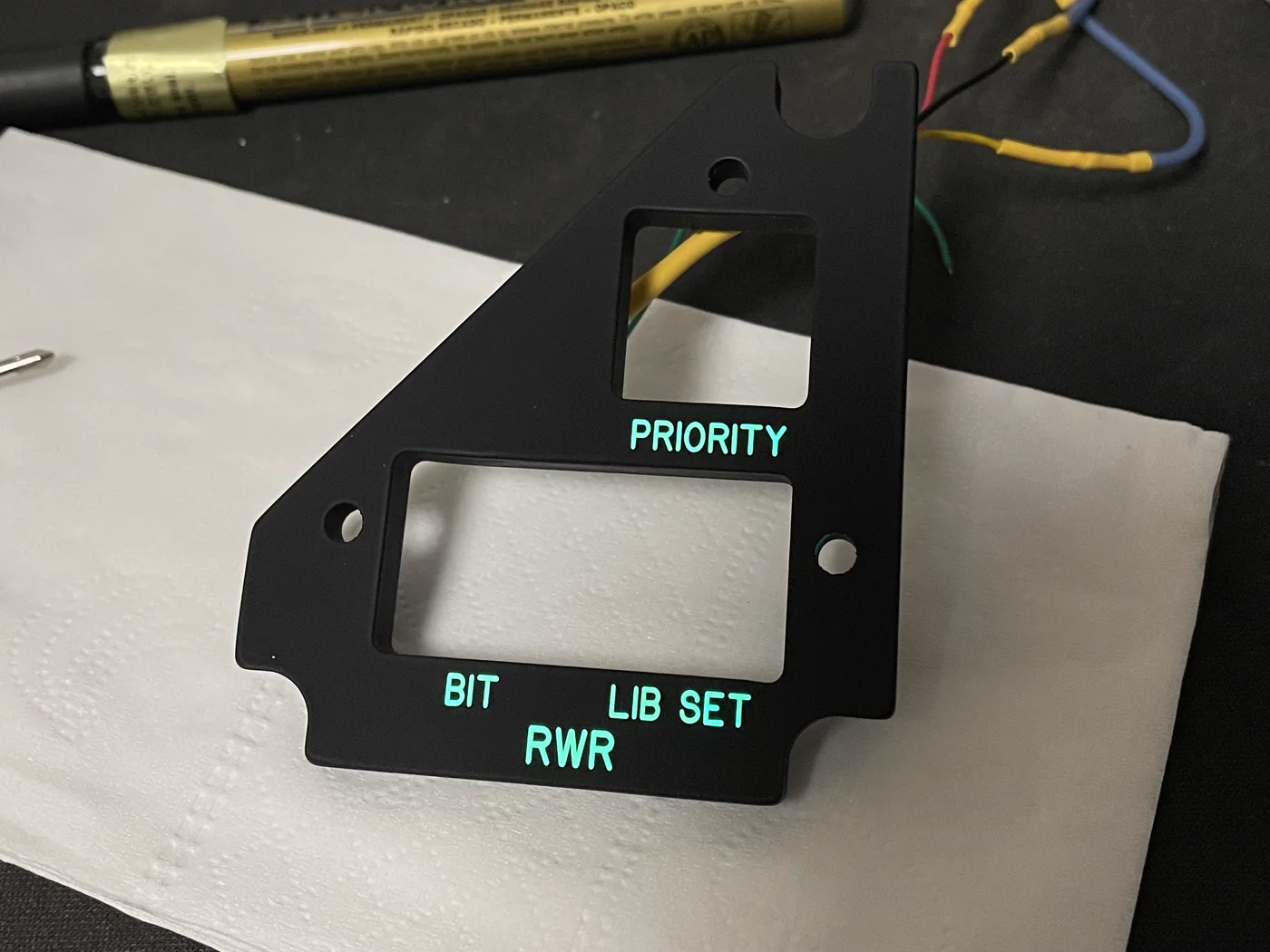
OUR CAPABILITIES
Development and manufacturing
for the product
Our core capabilities currently lie in software, embedded systems, electronics and panel manufacturing. Mechanical design supports the mounting, enclosure and assembly needs of each product and continues to grow from project to project.
Software engineering & platform integration
Device communication, data processing, page logic and simulator-platform integration.
Embedded systems & firmware
MCU software, display driving, interface control and device operating logic.
Electronics & hardware integration
In-house display and control circuits, PCB design, PCBA and complete electrical integration.
Panel processing & surface finishing
CNC machining, laser engraving, backlighting, coating, screen printing and markings.
Product structure & assembly design
Structures developed around mounting dimensions, enclosures, part fit and assembly requirements.
FROM IDEA TO DELIVERY
How a product is completed
at Union Avionics
Our development starts by understanding what the original cockpit equipment does and how it is used. We then cross-check available references, mounting relationships and applicable military aviation design guidance before design, prototyping, physical testing and production transfer.
Respecting original equipment means more than copying an outline from a photograph. We cross-check available information, mounting relationships and applicable standards before completing the engineering, manufacturing and validation ourselves.
DEFINE
Clear design targetsDefine the product
- 01
Project initiation
First establish the function of the original equipment in the cockpit, how it is operated and how it relates to other systems, then decide which functions and operating experience the simulator product needs to reproduce.
- 02
Research the original and its design references
Cross-check photographs from different angles, available technical material, mounting relationships and applicable military aviation design standards rather than relying on a single source.
- 03
Set design targets and acceptance criteria
Define the requirements for dimensions, materials, legends, lighting, controls, interfaces and mounting, as well as what later testing needs to confirm.
PROTOTYPE
A prototype confirmed through testingBuild and validate the prototype
- 04
Engineering and first articles
Develop the mechanical structure, electronics, PCB, firmware, display logic, software integration and manufacturing process, then produce the first physical parts.
- 05
Test the prototype in context
Install the prototype in a representative simulator cockpit and check mounting, readability, operation, lighting, communication and system integration.
- 06
Revise and validate repeatedly
Problems found in testing are carried into the next revision. Parts are manufactured, assembled and tested again until the prototype meets its design targets.
TRANSFER
A version ready for repeatable productionTurn the prototype into a product
- 07
Design freeze and production review
Confirm structure, electronics, software, materials, finishing, assembly method and inspection items to establish a common production baseline for subsequent manufacturing.
- 08
First-article confirmation or pilot build
Use a first article or pilot build to confirm that machining, finishing, PCBA, assembly and inspection can repeatedly meet the design requirements.
- 09
Production
Manufacture and assemble to the confirmed drawings, software, materials and processes.
DELIVER
Inspected and ready for deliveryComplete the product
- 10
Finished-product inspection
Check function, surfaces, legends, assembly, fasteners, interfaces, display, controls, communication and software connection item by item.
- 11
Delivery
Confirm the device, cables, mounting hardware, accessories, product information and packaging before delivery so the customer receives complete equipment with the required supporting items.
FEEDBACK LOOP
Feedback from equipment in actual use also informs revisions and validation for later versions.
PRODUCTS & PROGRAMS
From our first product
to a broader avionics range
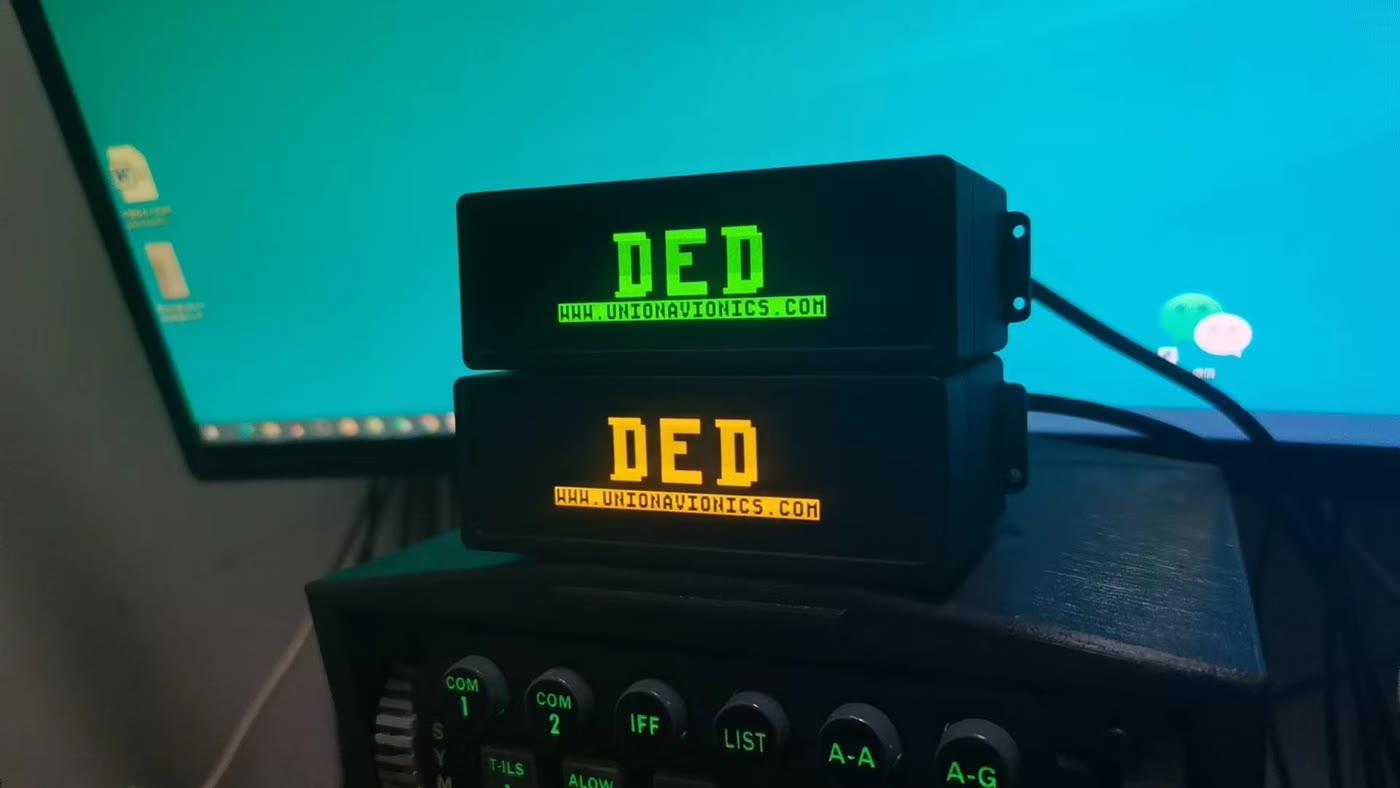
Data Entry Display is the first available Union Avionics product. RWR, Fuel Flow Indicator and CMDS Panel are currently in development. As we complete each device, we are gradually building a broader range of displays, flight instruments and control panels.
OUR DIRECTION
From individual devices
to integrated systems
Our goal extends beyond individual flight simulation peripherals. Over time, we intend to apply the engineering and manufacturing experience built through displays, instruments and control panels to avionics system integration and complete ground simulator cockpit solutions.
We begin by doing each device well, then use those devices to build simulator cockpits that more closely reflect the system relationships and operating experience of the original aircraft.FOLLOW OUR PROGRESS
Follow development and manufacturing progress
We publish product development records, manufacturing work and project updates through the website and community. For product enquiries or project discussions, contact us through email or our community channels.